If you’re noticing cracks above door frames, nail pops in ceilings, or mysterious holes in your drywall, you’re not alone. Drywall damage is one of the most common repair calls in Thousand Oaks homes — especially in properties built between the 1960s and early 2000s.
Here’s the quick answer:
Most drywall cracks and holes are caused by
normal settling, temperature expansion, moisture issues, or minor impact damage. Small issues can be patched cleanly, but recurring cracks or large damaged sections often require professional repair to prevent them from coming back.
If you live in Thousand Oaks, Westlake Village, Agoura Hills, Oak Park, or Newbury Park, understanding the
cause of the crack is the key to fixing it correctly.
Why Drywall Cracks Are So Common in Thousand Oaks
Drywall is designed to flex slightly — but homes move.
In the Conejo Valley, drywall damage is often caused by:
- Seasonal temperature shifts
- Heat expansion during long summers
- Minor foundation settling
- Door frame movement
- Moisture changes from plumbing leaks
- Aging joint tape
Older homes in Thousand Oaks especially tend to show:
- Hairline cracks near ceilings
- Corner bead separation
- Stress cracks above doors and windows
- Nail pops on ceilings
The good news? Most of these issues are repairable without replacing entire walls.
The 5 Most Common Types of Drywall Damage
1. Hairline Settlement Cracks
These are thin cracks that often appear:
- Above door frames
- In ceiling corners
- Along wall seams
Cause:
Normal structural settling or seasonal expansion.
Fix:
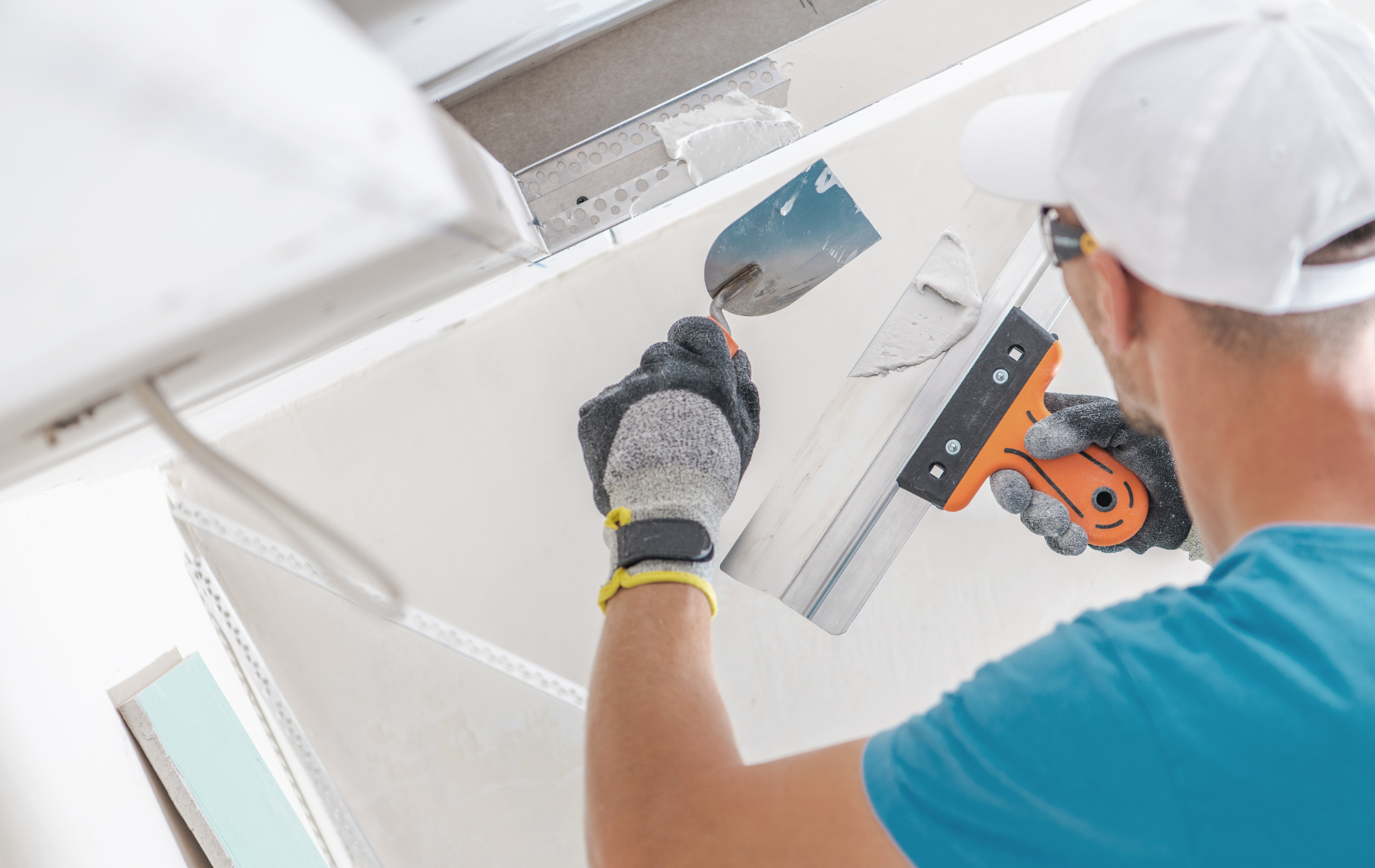
- Re-tape seam if necessary
- Apply joint compound
- Sand smooth
- Prime and repaint
If not properly retaped, these cracks can reappear within months.
2. Nail Pops
These small circular bumps happen when:
- Drywall fasteners loosen
- Framing shifts slightly
They’re common in older Thousand Oaks homes.
Fix:
- Reset or replace fastener
- Patch with compound
- Sand and repaint
Ignoring nail pops can lead to surface cracking.
3. Medium Holes (Door Knob Damage)
This is extremely common.
Door swings open → handle hits drywall → hole forms.
Fix:
- Cut out damaged area
- Install patch backing
- Apply compound in layers
- Texture match
- Prime and paint
When done correctly, you shouldn’t see where the damage was.
4. Water-Damaged Drywall
Signs include:
- Bubbling paint
- Soft spots
- Brown staining
- Crumbling sections
Common causes in Thousand Oaks:
- Roof leaks
- Plumbing leaks
- Bathroom ventilation issues
- Poor caulking
Water-damaged drywall must be:
- Dried completely
- Leak source fixed
- Damaged area removed
- Replaced and re-textured
5. Texture Mismatch After DIY Repair
This is one of the biggest homeowner frustrations.
Thousand Oaks homes commonly have:
- Knockdown texture
- Orange peel texture
- Smooth finish (less common)
If texture isn’t blended correctly, the patch becomes obvious — even if the hole is filled properly.
Texture matching requires experience and proper tools.
When Drywall Cracks Signal Bigger Issues
While most drywall cracks are cosmetic, some may indicate:
- Significant foundation shift
- Structural beam movement
- Persistent moisture intrusion
Red flags include:
- Cracks wider than 1/4 inch
- Doors/windows suddenly sticking
- Repeated cracks in same location
- Ceiling sagging
If you’re unsure, a professional inspection can determine whether it’s cosmetic or structural.
The Proper Way to Repair Drywall (So It Doesn’t Come Back)
Professional drywall repair involves more than just filling and sanding.
Step 1: Identify the root cause
Is it movement? Moisture? Impact?
Step 2: Stabilize the area
Re-secure loose drywall or framing if necessary.
Step 3: Layer compound properly
Thin layers prevent cracking.
Step 4: Sand smoothly
Even sanding ensures invisible blending.
Step 5: Match texture
Texture must blend seamlessly.
Step 6: Prime before painting
Skipping primer leads to flashing.
Shortcuts lead to:
- Visible patches
- Uneven paint sheen
- Recurring cracks
Why DIY Drywall Repairs Often Fail
Homeowners often:
- Apply compound too thick
- Skip sanding between layers
- Forget primer
- Fail to address root movement
- Mismatch texture
A repair that looks “okay” today may look obvious under natural light.
Especially in Thousand Oaks homes with strong sunlight exposure, wall imperfections become very noticeable.
FAQs: Drywall Repair in Thousand Oaks
How much does drywall repair cost?
Small patches may cost a few hundred dollars. Larger or textured repairs increase based on size and paint blending requirements.
How long does drywall repair take?
Small repairs can be completed in a few hours. Larger areas may require multiple visits for drying time.
Can you match my existing wall texture?
Yes, most common textures in Thousand Oaks homes can be matched when done properly.
Do I need to repaint the entire wall?
Not always. If color match is accurate and the area is small, blending may be possible.
Why does the crack keep coming back?
If the root cause (movement or moisture) isn’t fixed, cosmetic repairs alone won’t last.
Call to Action: Smooth Walls Start Here
If cracks, holes, or water damage are making your walls look worn or neglected, now is the time to fix them properly.
T.O. Handyman provides expert drywall repair throughout Thousand Oaks and nearby communities within a 7–10 mile radius.